Interfolded Deli Sheets
Interfolded deli sheets come stacked in a dispenser box so one pull brings up one sheet and lifts the next. Counters use them to pick up pastries, portion cold cuts and separate patties without touching the food.
What Are Interfolded Deli Sheets?
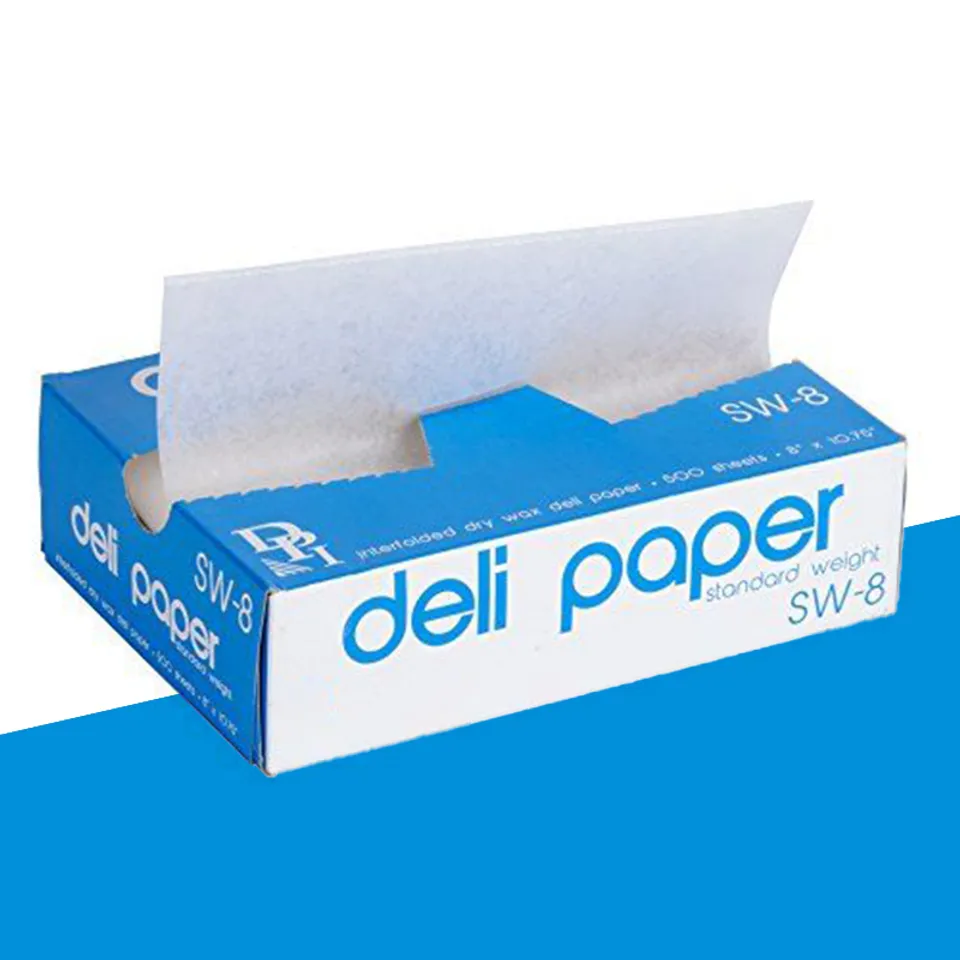
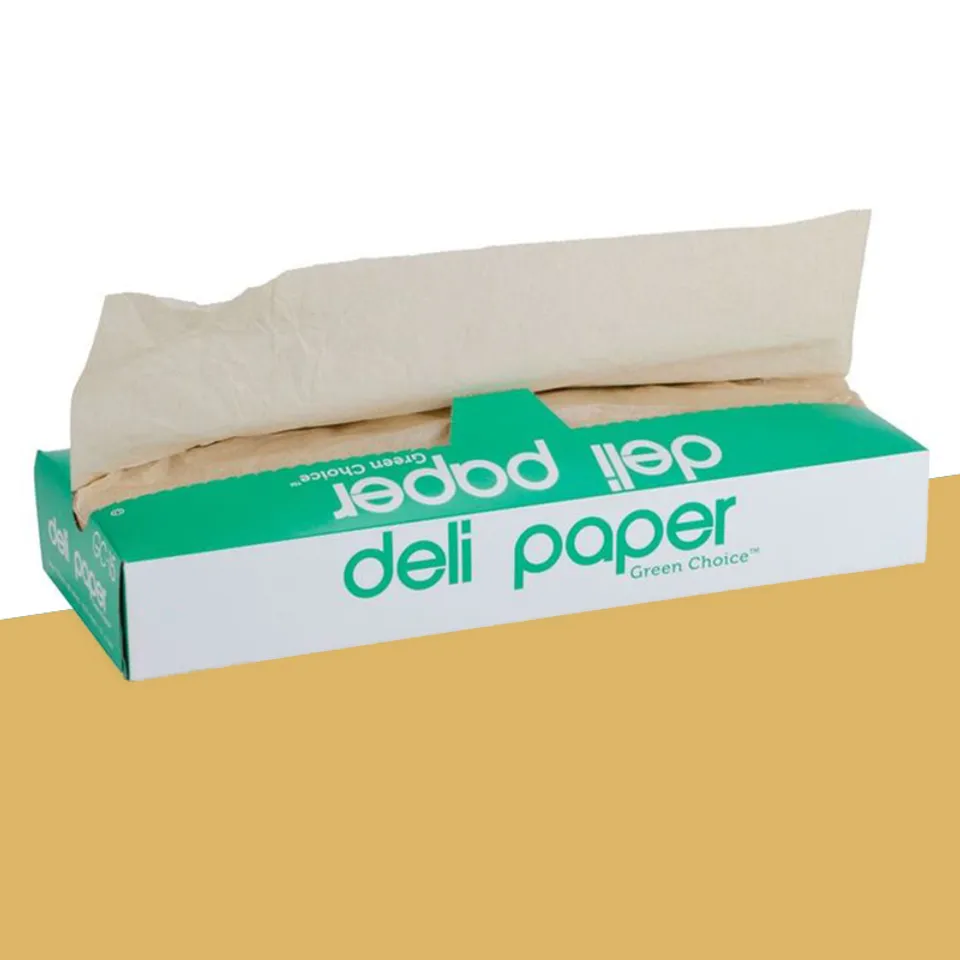
Interfolded deli sheets are dry wax sheets folded into each other and packed in a slotted box, like tissues. Pulling one sheet feeds the next through the slot. They come in white or natural kraft, with a one-color mark printed on the outside face if you want them branded.
| Sheet sizes | 6 x 10.75 in. · 8 x 10.75 in. · 10 x 10.75 in. · 12 x 10.75 in.; custom sizes on request |
|---|---|
| Paper stocks | White dry wax, natural kraft dry wax |
| Plain, or one spot color mark on the outside face | |
| Layout | Corner mark or small repeat; centered logos land on the fold |
| Dispenser | Slotted pop-up box, sheets interleaved so each pull feeds the next |
| Heat | Cold and warm holds only, not the oven or microwave |
| Minimum | 1,000 sheets per print run; box count shown on the written quote |
Interfolded Deli Sheets Sizes
Standard sizes carry no cutting charge. Any other size is quoted on request; the deli paper size chart lists what each one wraps.
Interfolded deli sheets: one pull, one sheet
Open the slot, pull a sheet, and the next one pops up behind it. That is the whole point of interfolded deli paper, and it is why every deli case, bakery counter and butcher block keeps a box within reach.
Staff use the sheet as a glove to pick up a donut, a bagel or a slice of cheese, then wrap or bag the item in the same paper. One hand, one motion, no gloves changed.
Burger kitchens use the narrow widths to stack patties, and pizzerias use the wide ones to lift slices off the peel. The photos show the white and natural kraft stocks in their dispenser boxes, unprinted.
Which interfold width matches your counter job?
All four sizes share the 10.75-inch depth, which is the length that feeds cleanly through a box slot. The width changes with the food.
| Width | Sheet | Typical use |
|---|---|---|
| 6 inch | 6 x 10.75 | Patty separators, cookies, single donuts, cheese portions |
| 8 inch | 8 x 10.75 | Bagels, muffins, sliced deli meat by the quarter pound |
| 10 inch | 10 x 10.75 | Sandwich pick-up, pizza slices, half-pound cold cut stacks |
| 12 inch | 12 x 10.75 | Large pastries, wrapping a whole sandwich, lining a small tray |
If you run one box for everything, 10 x 10.75 is the safe middle. Delis that portion by weight usually keep 8 x 10.75 at the slicer and 12 x 10.75 at the sandwich station.
Dry wax white or natural kraft for pick-up sheets?
Interfolded sheets are dry wax, because the fold has to be soft enough to pop up and the surface has to release a sticky glaze. Dry wax has that soft hand and a slight translucence.
White is the choice for bakery and deli cases. It looks clean behind glass, shows the color of the food, and takes a one-color mark in any shade.
Natural kraft reads warmer and hides crumbs and smears between pulls. Butchers, barbecue counters and rustic bakeries lean toward it, usually with a dark ink or no print.
Treat dry wax as a cold and warm hold paper, never an oven or microwave one. The sheet lifts a hot slice fine, but it is not a baking liner. The deli paper stocks explained guide covers where dry wax stops and grease-resistant starts.
Printing a mark on an interfolded sheet
Most interfolded paper runs plain, and the photos show it that way. A one-color mark changes it from a utility sheet to a branded wrap with very little effort.
Keep the mark small and put it in a corner or on a loose repeat. The sheet is folded inside the box, and a big centered logo lands on a crease and shows up creased.
Food-safe soy and water-based inks print on the outside face only; the face that picks up the food stays plain. One spot color is the sensible limit, matched to a Pantone number or a printed sample.
A vector PDF or EPS is best. A JPG or a photo of your sign works for a one-color wordmark; we redraw it free.
Why do pop-up sheets stop feeding from the box?
Three things cause it. The box got wet and the sheets stuck. The slot was torn wide open on day one and the stack lost its tension. Or someone grabbed two sheets at once and broke the chain.
Keep the box on a dry shelf, open the slot along its perforation only, and pull straight up. If the chain breaks, reach in, lift the next sheet through the slot, and it feeds again.
Near the bottom of the box the sheets sit lower and the pull gets longer. Swap in a fresh box before the last few sheets rather than fishing for them in a rush.
A box dropped on a corner jams too, because the stack shifts and two sheets catch in the slot together. Square the box up with a tap on the counter before you open it.
Cold case, hot hold and the deli slicer
In a refrigerated case the sheet keeps sliced meat and cheese from drying at the edges and stops stacks from fusing. It peels off cold cheese without tearing.
Under a heat lamp a dry wax sheet is fine for a warm hold: a wrapped breakfast sandwich, a pastry kept warm. Grease will mark it, so fried items want a grease-resistant sheet from another range.
At the slicer, a sheet under each portion makes weighing and transfer to the scale faster. Interfolded is quicker than tearing from a roll with a greasy hand.
- Separate patties and cutlets in a stack
- Portion cold cuts straight onto the scale
- Lift pastries and donuts from the tray
- Wrap a bagel or muffin for a to-go bag
Boxes per case and keeping dispensers full
Sheets ship already folded in their dispenser boxes, with boxes packed into a case. The number of sheets per box and boxes per case for your size is on the written quote.
A print run is 1,000 sheets of one size and one mark at minimum, which is a small number of boxes. Most delis order a case or more per size.
Store cases flat and dry. Put the open box at the station and replace it before it empties, so the first pull from the new box is clean.
Reorders match the proof on file, so the sheet size, stock and mark come back the same without resending artwork.
Count boxes on the shelf each week and reorder with one case still unopened, because print and transit together run close to two weeks.
Interfold ordering slips that cost a deli money
The proof is free and the box photos are right here, so compare before you approve rather than after the case arrives.
- Ordering the narrowest width for sandwiches, then using two sheets per order
- Choosing kraft for a pastry case where a white sheet would show the glaze better
- Putting a large centered logo on a sheet that is folded inside the box
- Storing boxes under the sink, where damp sheets stop feeding
- Expecting an interfolded sheet to hold a dripping cheesesteak; that is a grease-resistant wrap job
Getting interfolded sheets quoted
A misprint or transit damage reported with photos inside 10 days gets a reprint or a refund. The quickest path is the quote request form; call (503) 461-4788 or WhatsApp if you want to talk widths first.
- Send the width, the stock, the mark or no mark, and the sheet count you need, with any logo file attached.
- Receive a written quote within one business day with the box and case counts spelled out.
- If printed, check the free PDF proof and change it as much as you like at no charge.
- Approve in writing and production runs 4 to 6 business days.
- Free tracked delivery reaches any US address in 2 to 3 business days, with the invoice due after approval.
Design Your Custom Interfolded Deli Sheets
Pick a sheet, see how your logo sits on it, then send it for the real proof. Interfolded Deli Sheets photos come first; every other product follows.
Upload your logo to see it on this sheet
Interfolded Deli Sheets Questions
The questions we answer most weeks. Pick a topic, open a row.
What does interfolded mean on deli sheets?
Each sheet is folded into the one beneath it, so pulling one through the box slot lifts the next into place. It works like a tissue box.
Which interfolded deli sheet size fits a bagel?
8 x 10.75 wraps a bagel or muffin. Go to 10 x 10.75 for a filled bagel sandwich.
Are interfolded deli sheets dry wax or grease-resistant?
Dry wax, in white or natural kraft. The soft fold is what lets them pop up, so they are for cold and warm holds, not fried food.
Can interfolded deli sheets be printed with a logo?
Yes, with one spot color on the outside face. Keep it to a corner mark or a loose repeat so the fold does not crease the logo.
Do interfolded deli sheets come in the dispenser box?
Yes. They arrive folded inside slotted boxes, packed into cases, ready to put on the counter.
How many interfolded deli sheets are in a minimum order?
1,000 sheets per size and print. The exact box and case count for your width is on the written quote.
Can I use interfolded deli sheets in a microwave?
No. Dry wax handles cold and warm holds only and must stay out of the microwave and oven.
Why do my interfolded deli sheets come out two at a time?
Usually a wet box or a slot opened too wide. Keep the box dry, open along the perforation and pull straight up.
Is the ink on interfolded deli sheets safe next to pastries?
Yes. Inks are food-safe soy and water-based and go on the outside face only; the pick-up side is plain.
How long does an interfolded deli sheet order take?
4 to 6 business days of production after approval, then 2 to 3 business days of free tracked delivery within the US.
Can interfolded deli sheets be 12 inches wide?
Yes. 12 x 10.75 is the widest standard size, for large pastries, whole sandwiches and small tray liners.
What if a case of interfolded deli sheets arrives crushed?
Photograph the case within 10 days of delivery and we replace it or refund it.
Related Products
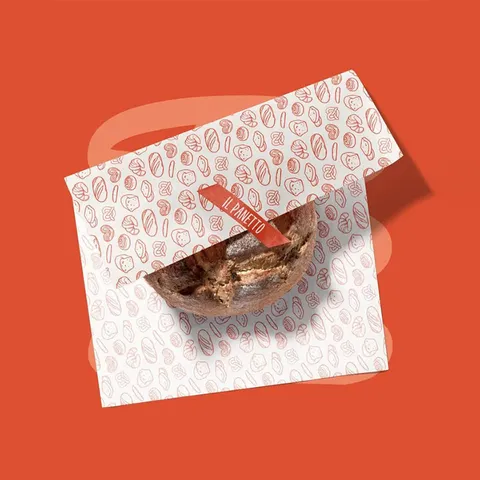 Sandwich Wrap PaperFrom $0.30 a sheet12 x 12 in. · 12 x 15 in. · 15 x 15 in.Deli sandwiches, subs, bagels and wraps
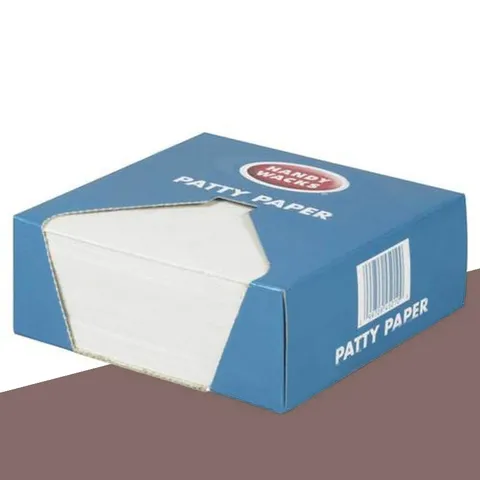 Patty PaperFrom $0.30 a sheet4.75 x 5 in. · 5.5 x 5.5 in. · 6 x 6 in.Separating burger patties, cheese slices and portions in the walk-in
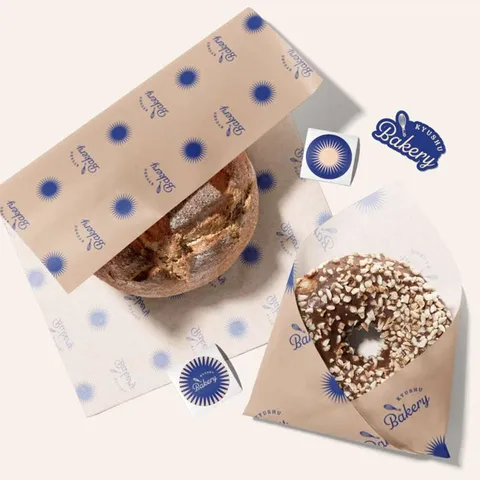 Bakery Wrap SheetsFrom $0.30 a sheet6 x 6 in. · 12 x 12 in. · 12 x 15 in.Donuts, pastries, cookies and bread at the counter
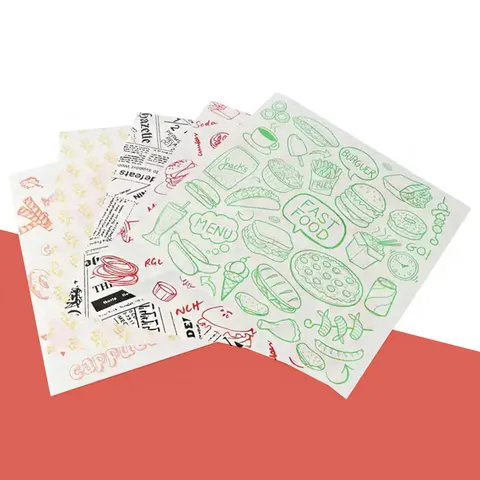 Custom Printed Deli PaperFrom $0.30 a sheet12 x 12 in. · 12 x 15 in. · 15 x 15 in.Sandwiches, burgers, counter service and tray lining with a logo or pattern
Tell us about your order
Send the product, a sheet size and roughly how many sheets you go through in a month. We reply in writing within one business day with a price and a free design proof. Prefer to talk? Call (503) 461-4788 or message us on WhatsApp.
- Minimum order 1,000 sheets
- Production in 4–6 business days after you approve the proof
- Free tracked delivery in the US in 2–3 business days
- Food-safe soy and water-based inks